
Craft and equipment
Finishing is a set of repeatable settings, not a menu of effects
Each stage lists its equipment, its control points and the problems it prevents. When we quote, we say which machine runs the job and where the risk sits.
- Stages
- 4
- Sampling
- 3-5 days
- Press
- Offset
01
Prepress
Files, die lines and proofs
Files are checked for bleed, die lines and colour build before anything goes on plate. A proof comes back to you for approval, and the plate is only made after that.
- Die line review
- Colour separation
- Digital or press proof
- Plate output
Equipment
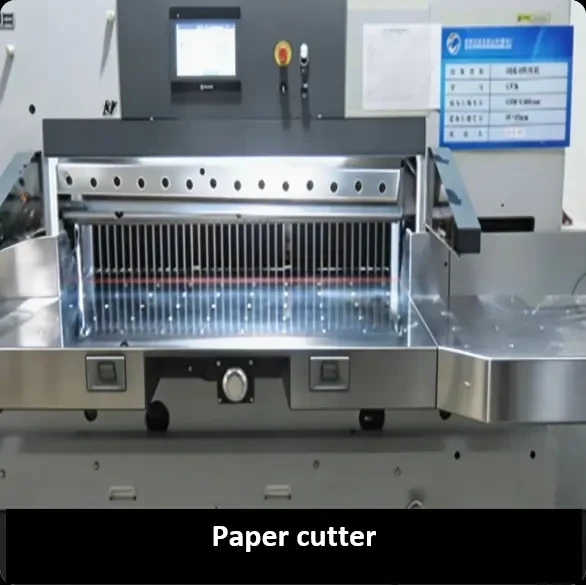
- Paper cutterIn use
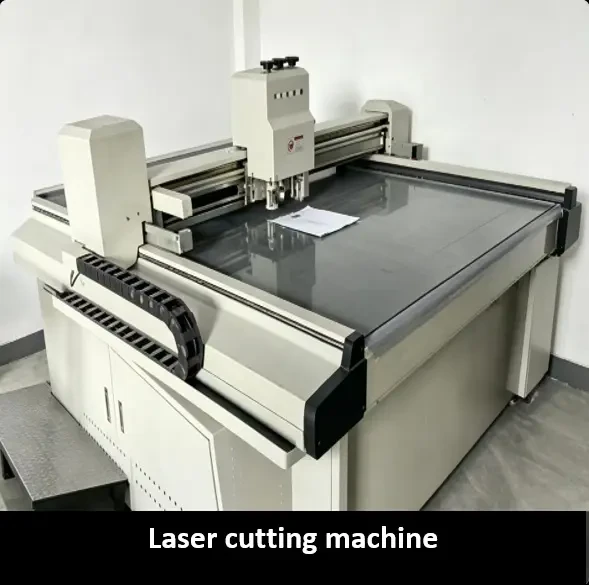
- Laser cutting machineIn use
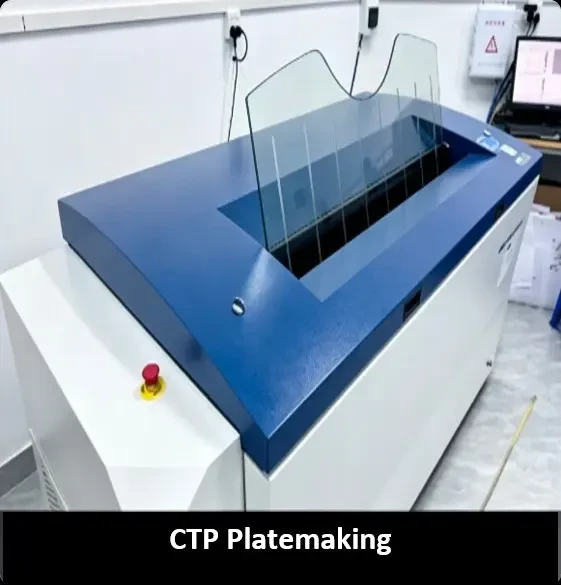
- CTP platemakingIn use
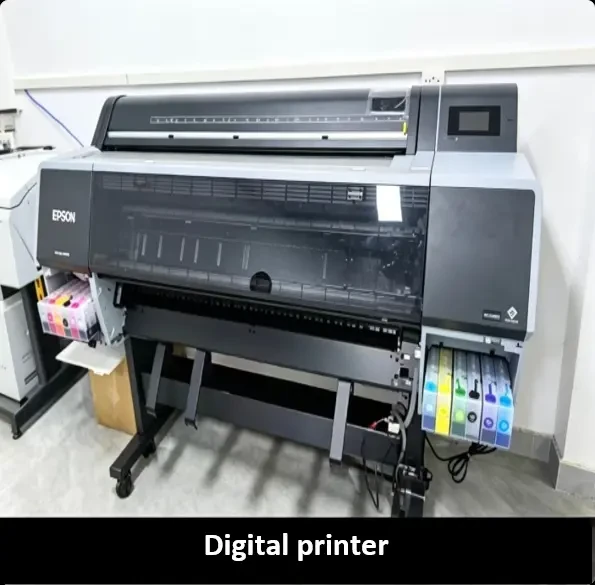
- Digital printerIn use
Photos
02
Press
Sheet-fed offset and digital
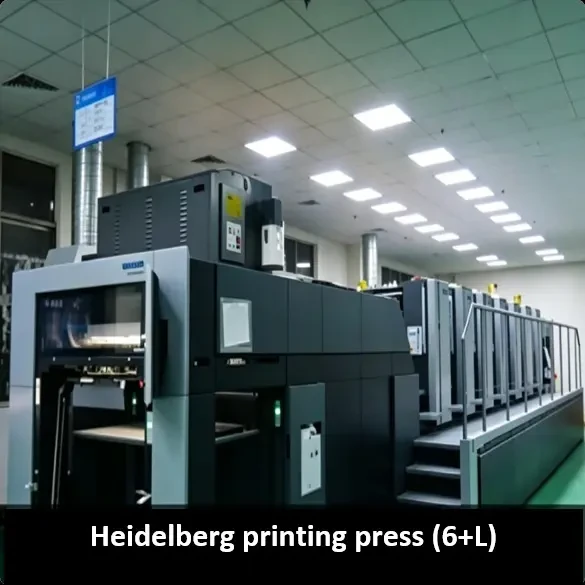
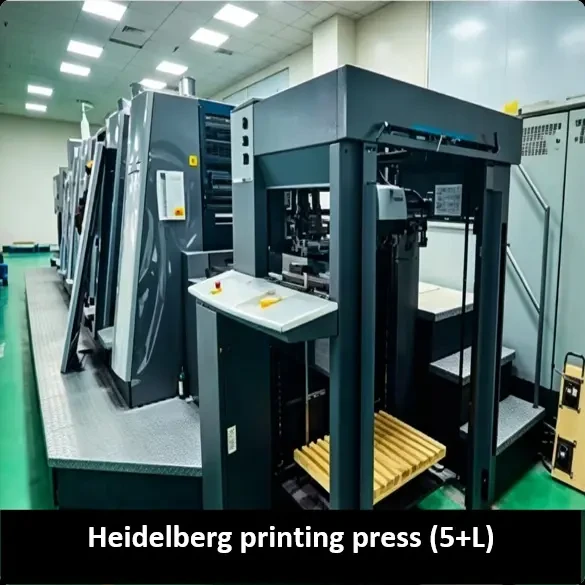
Sheet-fed offset for four-colour work and spot colour, digital for short runs and reprints. Ink density is measured through the run against the approved proof.
- Four-colour offset
- Spot colour and Pantone
- Digital short runs
- Density control
Equipment
- Heidelberg printing press (6+L)In use
- Heidelberg printing press (5+L)In use
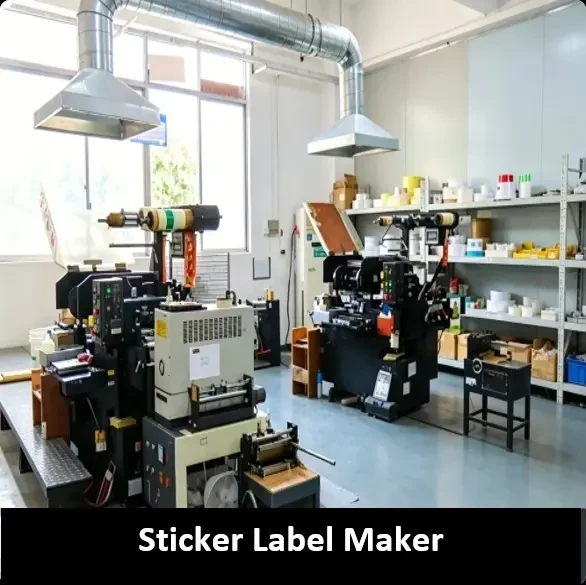
- Sticker label makerIn use
Photos
03
Finishing
Foil, emboss, UV, lamination
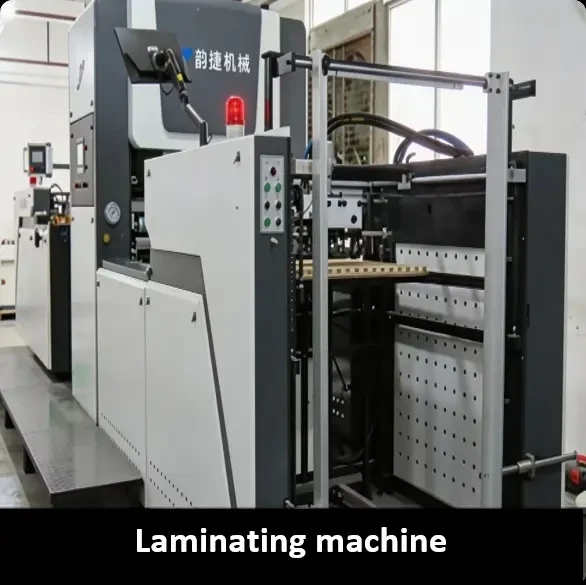
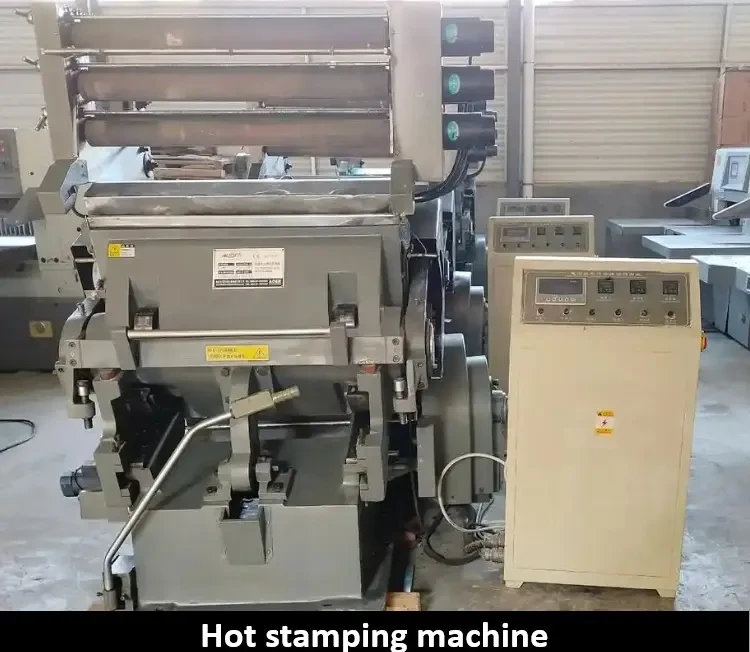
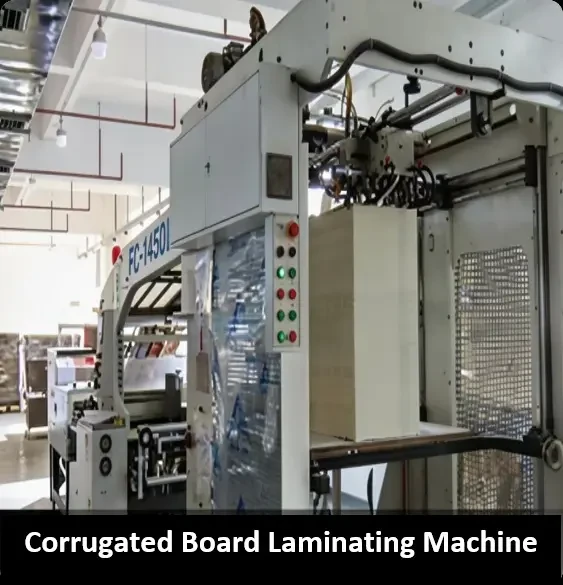
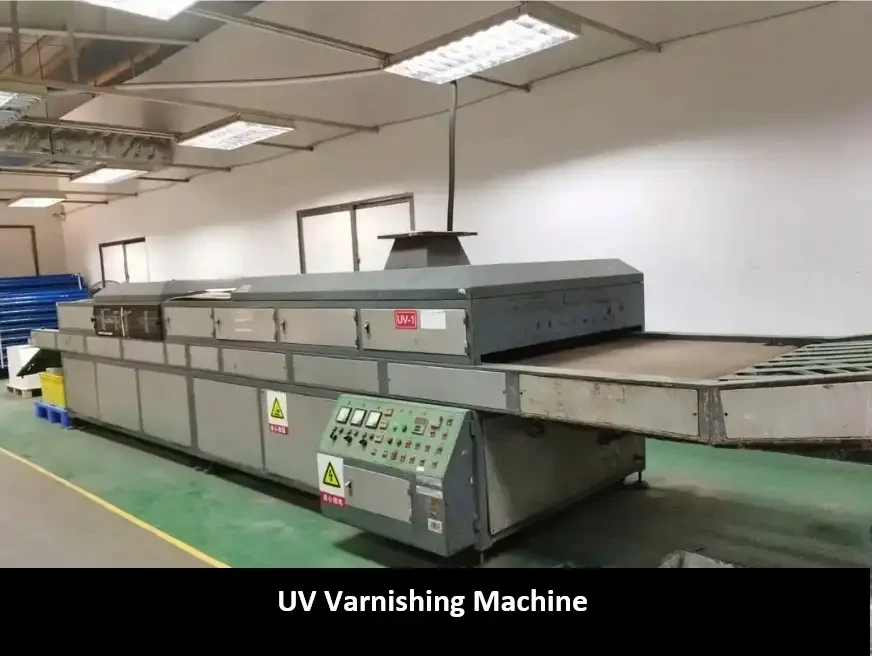
Foiling, embossing, spot UV and lamination run on separate machines, then printed sheets are mounted to greyboard where the structure needs a rigid wall.
- Foil stamping
- Embossing and debossing
- Spot UV and varnish
- Lamination and mounting
Equipment
- Laminating machineIn use
- Hot stamping machineIn use
- Corrugated board laminating machineIn use
- UV varnishing machineIn use
Photos

04
Forming
Die-cutting, mounting, gluing
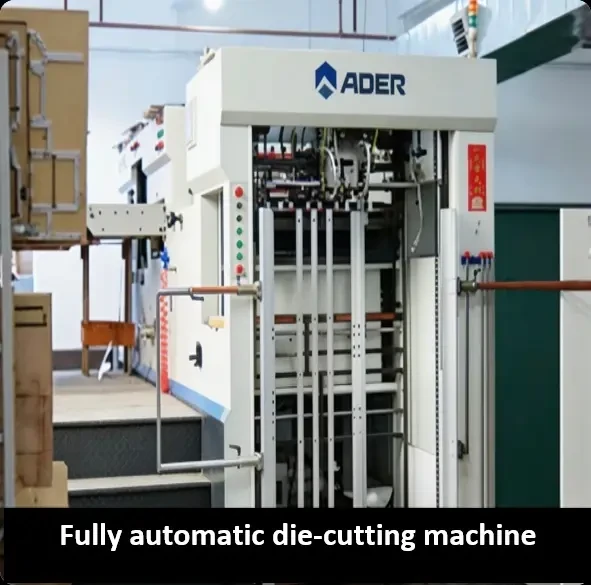
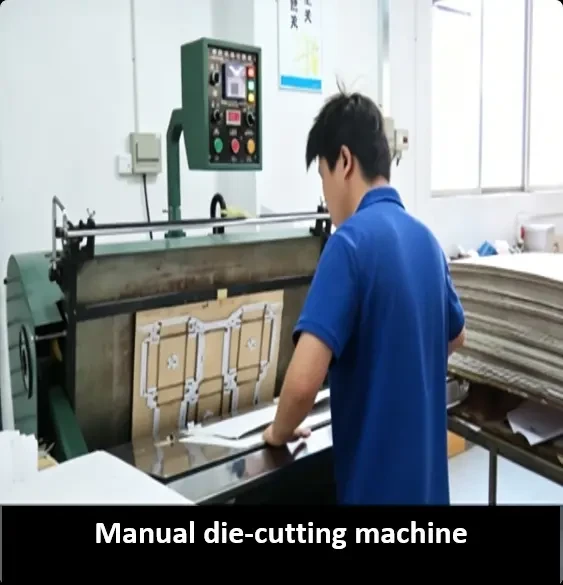
Die-cutting, creasing, gluing and hand assembly. The first piece from each run is measured against the approved sample and kept for reference.
- Die-cutting and creasing
- Auto and hand gluing
- Corner wrapping
- Final inspection
Equipment
- Fully automatic die-cutting machineIn use
- Manual die-cutting machineIn use
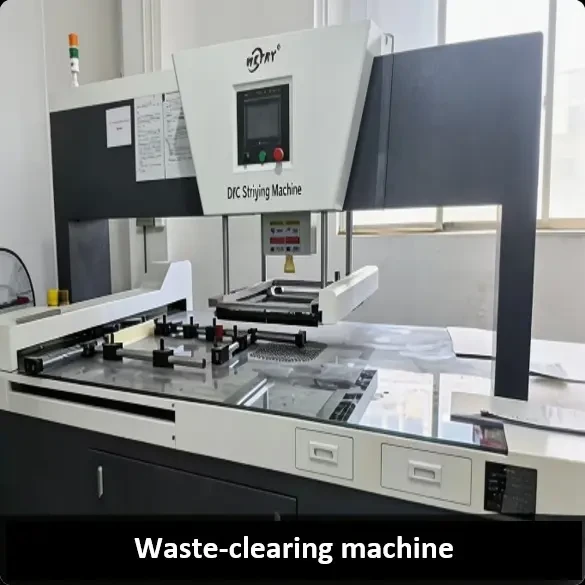
- Waste-clearing machineIn use
- Small-hole waste removal machineIn use
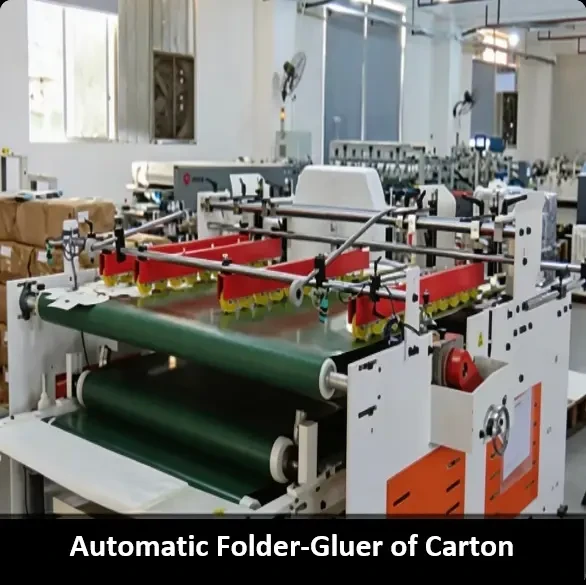
- Automatic folder-gluer of cartonIn use
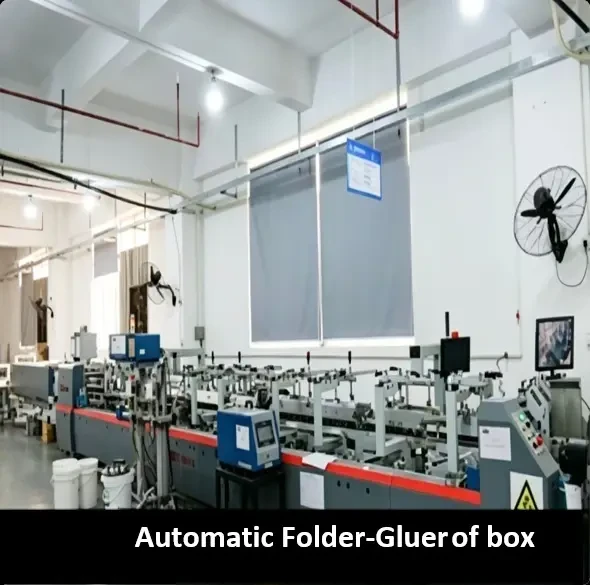
- Automatic folder-gluer of boxIn use
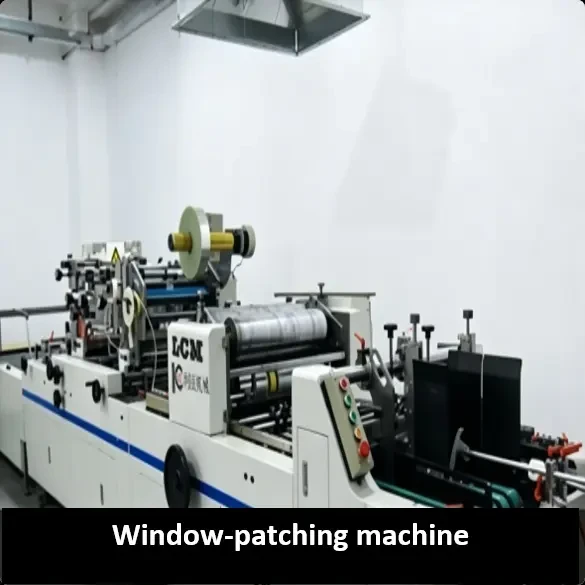
- Window-patching machineIn use
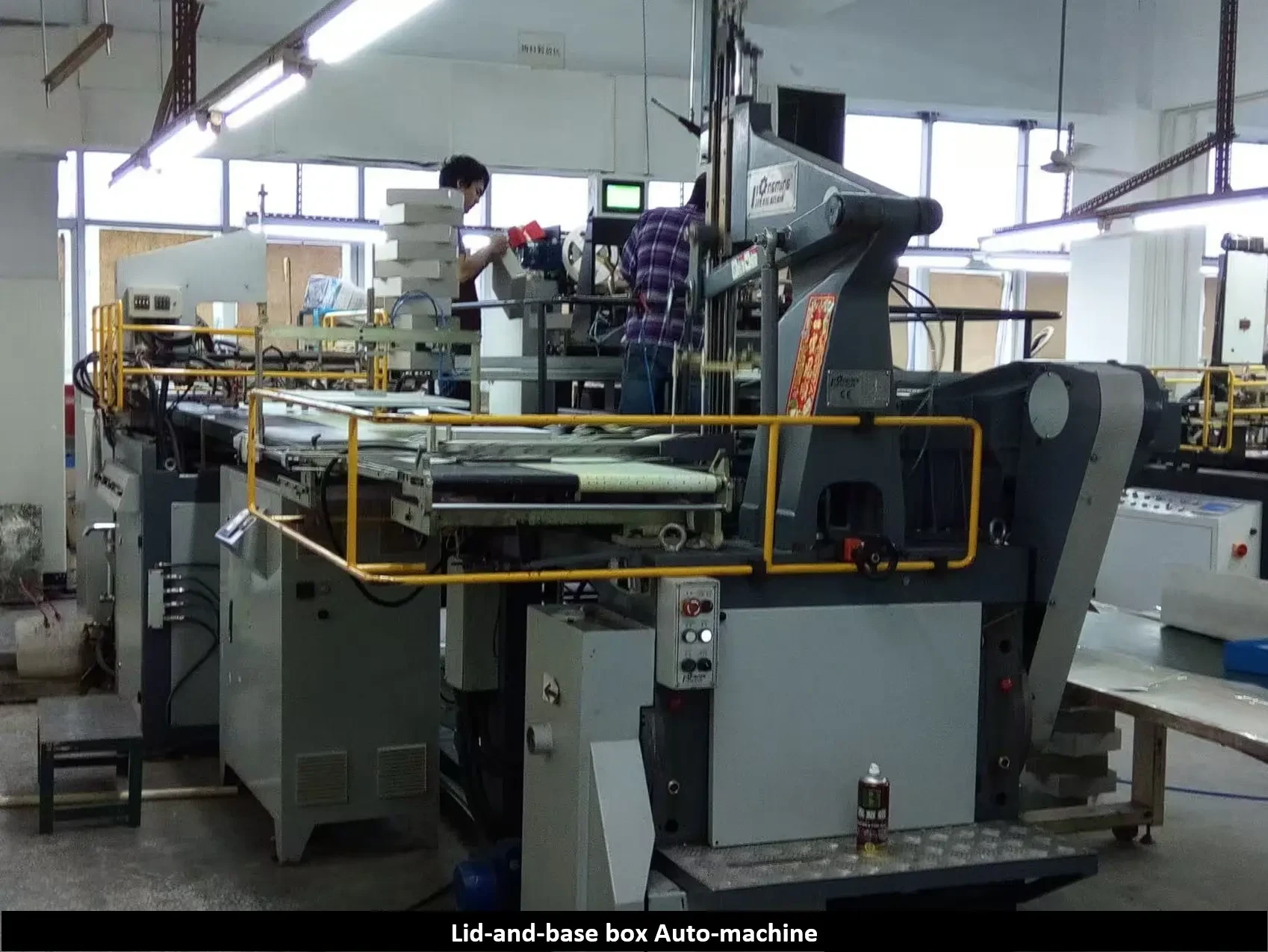
- Lid-and-base box auto-machineIn use
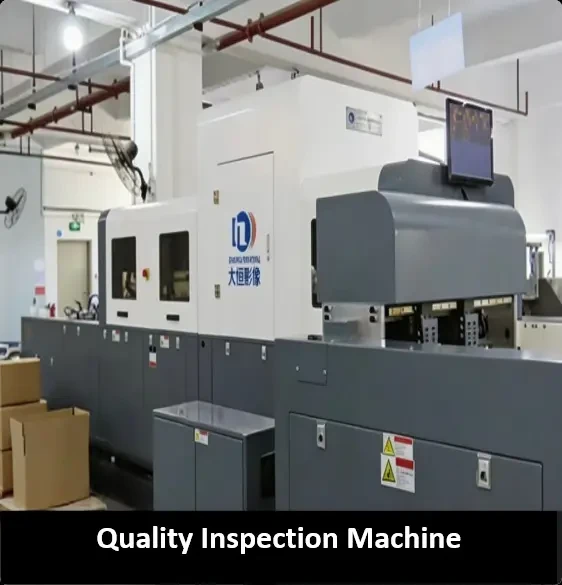
- Quality inspection machineIn use
Photos
Materials
The stock we keep, and what it is used for
Paper is easier to choose in hand than on screen. Ask for a swatch set and we will send three to five options matched to the use.
| Material | Weight or grade | Typical use |
|---|---|---|
| Greyboard | 800 to 1600 gsm | Rigid box walls and lids |
| Folding boxboard | 250 to 400 gsm | Food and retail boxes |
| Specialty paper | 120 to 250 gsm | Box wrap and premium bags |
| Kraft paper | 100 to 150 gsm | Store bags and mailers |
| Corrugated board | E and B flute | Shipping and mailer boxes |
| Art and matte paper | 128 to 300 gsm | Catalogues and labels |
Swatch sets and finishing cards can travel with the quotation. Freight is paid by the recipient and credited against the order.
Quality control
Four checkpoints, so problems stay inside the process
Rework on packaging is expensive and slow to ship. Approval, retained samples and inspection are fixed steps, not extras we drop on small orders.
Signed sample first
A white dummy or a press proof is approved before the run starts, so colour and finishing positions are fixed on paper rather than in email.
Retained references
First and last pieces from each run are kept. Repeat orders are checked against these references for colour and dimensional drift.
Checks at four points
Printing, finishing, die-cutting and gluing each have a recorded check. Problems are stopped at the process where they appear.
Paper options
FSC-certified paper is available on request with mill documentation. Food-contact orders can be run with food-grade inks.
Not sure which finishes to combine?
Send a photo of a reference or a competitor pack. We come back with two finishing routes, costed against how well each one runs in production.